
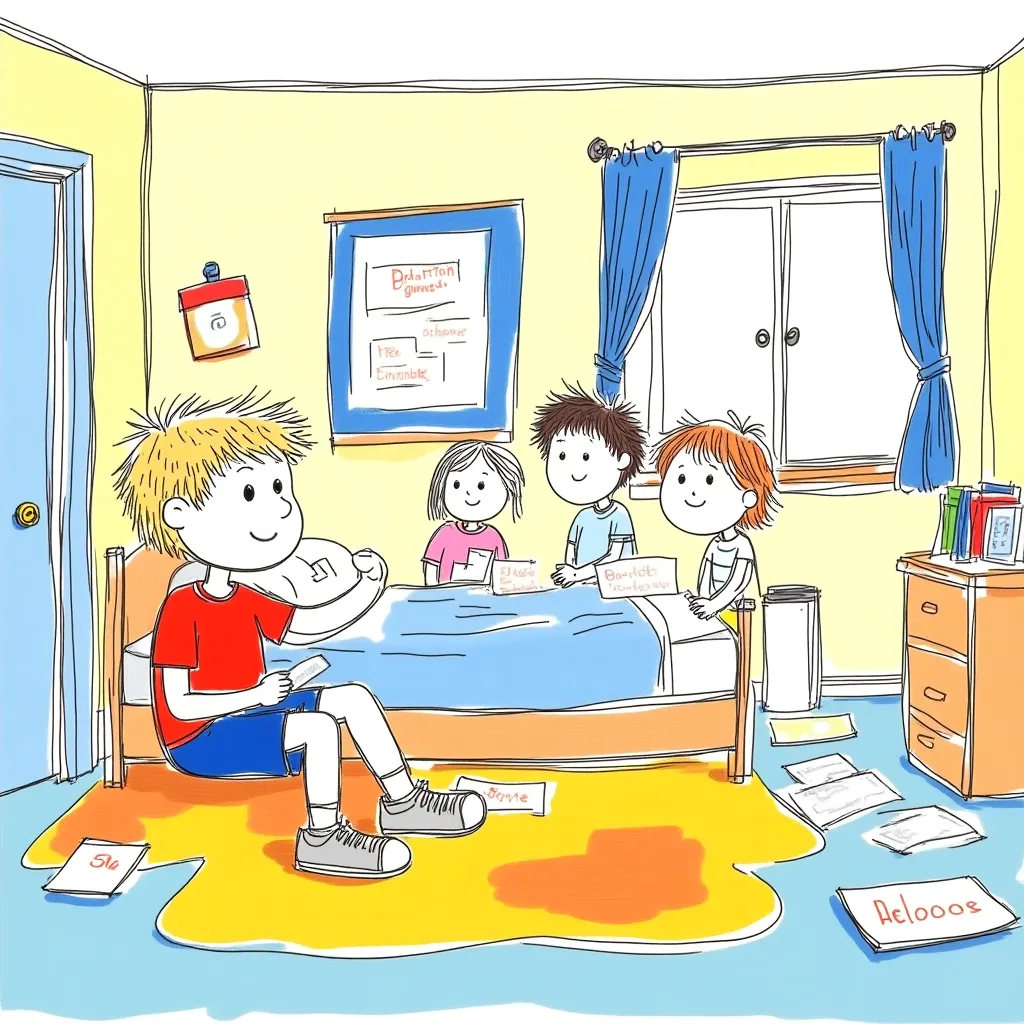
Spring break gives us all an opportunity to refresh, recharge, and regroup before we continue with academic or work demands. It’s a welcomed pause, supporting rest, social connection, and a break from the mundane, routine tasks. But for many neurodivergent children, particularly autistic children, changes in routine often feels overwhelming. Even more so if new schedules or activities are introduced. Deviating from the structured and predictable daily life can easily lead to anxiety, meltdowns, and other tense behaviors, taking away from the benefits that spring, or any other break, can provide.
AI-powered social stories, visual schedules, and step-by-step guides can make activities and transitions smoother and help parents, teachers, and therapists provide clear, personalized, and engaging support.
Why Routines Matter for Neurodivergent Children
Routines benefit every family, helping us function more efficiently and reduce daily chaos. For autistic children, routines are particularly beneficial as they provide a sense of safety and control. When routines are disrupted, even temporarily, children may struggle with uncertainty.
To help overcome the anxiety triggers and put neurodivergent kids back into a thriving mode, families and professionals often use social stories, schedules, and guides to help make these changes predictable and structured. But for those tools to really work, they need to be effective and relatable, thus they need to be personalized and customized to individuals’ needs and experiences. This is where the advantage of AI technologies comes in—in less than a minute, parents, caregivers, and therapists can generate the right resource to help with specific situations or challenging moments.
Social Stories with AI: Prepare for New Experiences
AI-powered social stories allow you to create personalized narratives that explain upcoming events or changes in a calm, structured, and supportive way.
During spring break, families and professionals can use AI tools to quickly generate social stories tailored to a child’s need, language level, and sensory needs. Social stories created with AI can help:
- Explain what spring break is and why school is closed.
- Outline planned activities each day, such as trips to the park or time at home.
- Provide strategies for coping with changes, like deep breathing or using a quiet space.
- Include engaging visuals to make abstract concepts concrete.
With Emona, creating social stories with AI is very easy: simple: describe the child’s age, gender, favorite items, or other details in the prompt box, and in less than a minute you will have a social story that follows the guiding principles, complete with pictures or icons to reinforce understanding. Those stories can be reviewed as often as needed, both before and during spring break.
AI-Powered Visual Schedules: Make the Day Predictable
Visual schedules are great way to break down the daily routines for your child. Once the daily activities are set, parents can generate AI-powered visual schedules that are clear and visually engaging, thus providing structure and guidance.
Emona allows you to easily create personalized AI-powered visual schedules for each day’s main events: wake-up, meals, activities, and bedtime.
- AI will generate custom icons or images to represent each activity.
- Schedules can be edited, reworked, and reviewed as needed.
If you want to provide choices between different activities, then you can create two separate routines and work together to select the right one. Because Emona keeps the layout consistent even while changing the content, autistic children will learn the structure even if activities vary.
AI-Generated Step-by-Step Guides: Support Transitions
AI-powered guides can break complex activities into small, manageable steps, making transitions easier for neurodivergent children. For example,
- Packing for a trip: AI can create step-by-step visuals for each item.
- Leaving home for an outing: Show a sequence from shoes to jacket to backpack.
- Returning home: Outline washing hands, putting away items, and quiet time.
With the most recent product capabilities, you now can use Emona to easily create step-by-step guides generated by AI that are customized to match the child’s exact routine, increasing independence and confidence.
Comprehensive Support for Maximum Success
With Emona, you don’t have to choose what to create. It is one platform that allows you to create AI-powered social stories, visual schedules, and step-by-step guides together. For best practices, you can
- Start with a social story to introduce spring break.
- Use a visual schedule daily to guide the child through each activity.
- Add step-by-step guides for transitions that may be stressful.
Emona is available in 10+ languages, both as text and voice over. You can edit any of the resources that you created—both text and image. And you can review these resources at any time, helping children internalize new routines and adapt to change with confidence.
Let Your Breath Go
Spring break, or any other day, week or month, can become a more manageable, predictable, and low-stress experience for neurodivergent children. AI tools make it easier than ever for families to provide personalized support. Even small steps of progress help children feel secure and confident when routines change. As a parent or professional you can use Emona to
- Introduce new activities gradually and prepare in advance:
- Empower children to make decisions, reducing stress.
- Normalize feelings and support anxiety patiently when changes triggers frustration
- Celebrate success, praise completion of activities or transitions, and reinforce positive experiences.
Head over to emona.ai and create the resources that you need.