
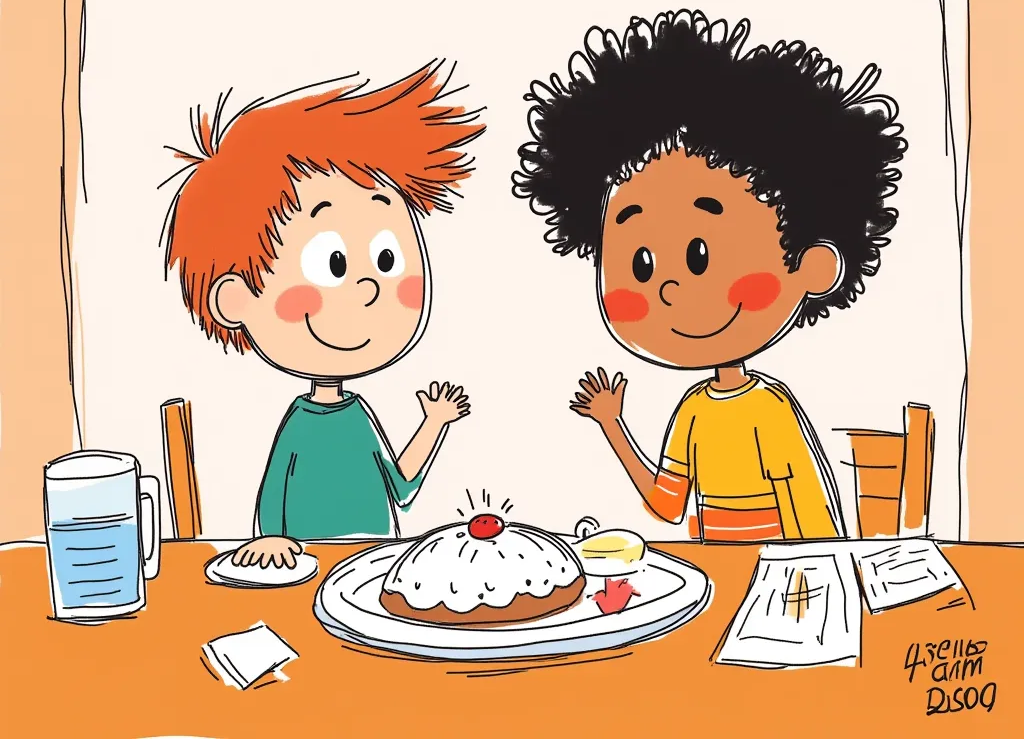
But with a little preparation, the day may go smoother than expected. Social stories, visual schedules and step-by-step guides can help children know what to expect, so the day feels less like a surprise and more like something they have already practiced. And while none of those resources are a magic fix, they can go a long way. They also work best as one part of a broader support plan, alongside therapy and the strategies that already work for your child.
Why Thanksgiving Can Be Hard for Neurodivergent Children
Thanksgiving combines several of the things that are hardest for many neurodivergent children, all on the same day:
- A broken routine. There is no school, meals happen at unusual times, and the day may include travel.
- Crowds and conversation. Relatives the child rarely sees may want hugs, ask questions or talk all at once.
- Sensory overload. Strong cooking smells, a loud dinner table, a TV playing the football game and a kitchen full of activity can be a lot to take in.
- New and unfamiliar foods. The table is often full of dishes a child has never tried, and there may be pressure to "just take a bite."
- Long waits. Waiting for the meal, waiting at the table and waiting for dessert can feel endless.
- Unspoken social rules. Saying thank you, sitting at the table, sharing what you are grateful for, and greeting guests are all expectations that are rarely explained ahead of time.
None of this means a child cannot enjoy Thanksgiving. It means the day works best when it is explained in advance.
How Social Stories Help
A social story is a short, simple story that describes a situation from the child's point of view: what will happen, how they might feel, and what they can do. Social stories work because they make an unpredictable day more predictable. When a child has read about a situation several times, it feels familiar by the time it actually happens.
The most effective social stories are:
- Specific. One story per situation works better than one long story about the whole holiday.
- Personal. Using the child's name, family members, favorite things and the actual place they will be makes the story feel real.
- Visual. Pictures help many children understand and remember the story.
- Repeated. Reading the story several times in the days before Thanksgiving builds familiarity.
Thanksgiving Social Story Ideas
Rather than writing one story about "Thanksgiving," break the day into the moments that are likely to be hardest for your child. Here are some ideas:
- Going to Grandma's house (or having guests over). Who will be there, what the house looks and sounds like, and where the quiet space is.
- Saying hello to family. Ways to greet people, such as waving, a high five or saying hi, and the reminder that hugs are optional.
- Thanksgiving dinner. Sitting at the table, how long the meal might take, and what to do while waiting.
- Trying new foods. Choosing what goes on the plate, and the words "No, thank you."
- Sharing what I am thankful for. What this tradition is and how to take a turn, or pass.
- Taking a break. How to ask for a break and where to go when things feel like too much.
- Traveling for Thanksgiving. The car ride or flight, how long it takes, and what to bring.
Here is a short example of how a Thanksgiving dinner social story might read:
Thanksgiving is a day when my family eats a big meal together. This year, we are going to Grandma's house. There will be lots of people and lots of talking. There will be foods I know, like rolls and mashed potatoes, and some foods that are new. I can choose what goes on my plate. If I don't want to try something, I can say "No, thank you." Dinner can take a long time. I can bring my headphones and my book. If I need a break, I can ask Mom to help me find a quiet room.
Visual Schedules and How-To Guides for the Holiday
Social stories explain a situation. Visual schedules and step-by-step guides help children move through the day itself.
A Thanksgiving visual schedule can show the day in order: wake up, get dressed, drive to Grandma's, say hello, play, eat dinner, have dessert, drive home, bedtime. Being able to see what comes next, and how much is left, helps many children stay calm.
A how-to guide can break down a task your child can help with, such as setting the table, washing hands before the meal or helping make a simple recipe. Giving a child a clear job can turn a stressful afternoon into a chance to feel proud and included.
Practical Tips for a Calmer Thanksgiving
- Start early. Introduce the stories and schedule several days before Thanksgiving, and read them more than once.
- Talk to the host. Ask about the timing of the meal, and whether there is a quiet room your child can use.
- Pack a comfort kit. Headphones, a favorite toy, a tablet or a book can make waiting easier.
- Bring a safe food. If your child eats a limited range of foods, bringing something you know they will eat takes the pressure off everyone.
- Plan an exit. Agree on a signal your child can use when they need a break, and be ready to leave early if needed.
- Celebrate small wins. Saying hello, sitting at the table for part of the meal, or trying one new thing are all worth noticing.
For more ideas on handling the rest of the season, see our post on navigating holiday anxiety with personalized social stories.
Creating AI-Powered Social Stories with Emona for Thanksgiving
Writing and illustrating a set of personalized stories by hand can take hours, which is hard to find during an already busy holiday week. Emona creates a personalized, illustrated social story with AI in under a minute. Just describe the situation and add details like your child's name, who will be there, and the things that help them feel calm. You can also create a visual schedule for the day or a step-by-step guide for a holiday task.
Every story can be edited, printed, or opened on a phone or tablet, so it can come along to Grandma's house. Emona supports nine languages, which helps families create stories that reflect their own traditions and the language spoken at home.
As with any AI tool, Emona is assistive. Review each story before you use it, and adjust it so it fits your child and your family.
Not sure where to start? Browse the free Emona story library for ideas, or read how to choose the right AI platform for creating social stories.
Frequently Asked Questions
When should I review Thanksgiving social stories with my child? About a week before is a good starting point. Reading the stories several times before the holiday gives your child time to get familiar with them.
Should I write one story about the whole day? Usually not. Shorter stories about one situation each, such as greeting family, the meal or taking a break, are easier to understand and remember.
What if my child doesn't want to eat the Thanksgiving meal? That is okay. A social story can explain that they can choose their own food, and bringing a familiar dish can help. The goal is a comfortable day, not a clean plate.
Can social stories help with travel too? Yes. A travel story can describe the car ride or the airport, how long the trip will take, and what your child can do on the way.
Can I use Emona AI for any social story? Yes. This is the purpose of Emona.ai. The platform was built to create three types of resource for autistic and neurodivergent children and adults that are customizable and personalized.
A Thanksgiving Built Around Your Child
Thanksgiving does not have to look like a picture-perfect holiday dinner to be a good day. With a few personalized stories, a clear schedule and a plan for breaks, your child can know what to expect, and your whole family can focus on being together.