
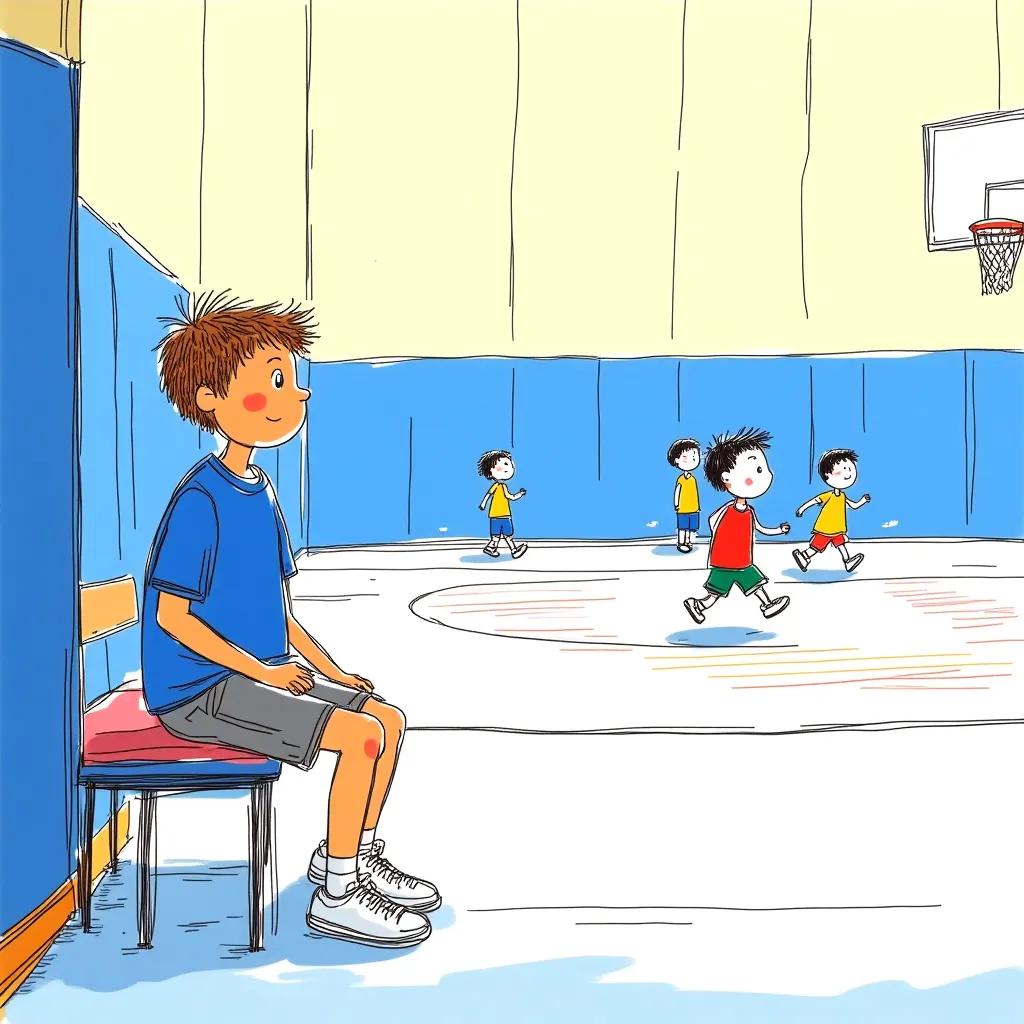
We all know that regular and consistent physical activity is crucial for long-term health. When it comes to neurodivergent children, sports can play an even more meaningful role as the support is not just physical, but also emotional, social, and behavioral.
Team Emona recently attended the Autism Innovators & Investors Roundtable event, hosted by Sirica Therapeutics. The event brought together researchers, entrepreneurs, mission-driven investors, and passionate parents and advocates to discuss latest breakthroughs in autism therapy, technology, and support, while also presenting visionary ideas. The talk tracks at the event were quite diverse, but there was one on exercise and how it improves behavior, which was later echoed in other conversations.
Research consistently shows that physical activity helps improve self-regulation, focus, and emotional control in neurodivergent individuals. This is because physical movement helps regulate the sensory system, which in turn can translate into upbeat mood and fewer meltdowns. Yet, research also shows that Autistic children and adults seldomly participate in organized physical activity and sports, even though they are willing to do so. A big reason for this exclusion is misunderstanding of their communication and sensory needs. And another very real reasons is that sports can be hard for autistic kids because of:
- Sensory overload due to noise, crowds, uniforms, whistles
- Motor planning or coordination differences
- Inability to control emotions when things don’t go the right way
- Difficulty fully grasping the rules or understanding the fast-changing social dynamics
- Anxiety around competition or performance
Those barriers have led families to avoid sports altogether—not because kids don’t benefit, but because the environments do not tend to be very inclusive. While solving for the former requires a lot of ongoing and consistent conversations around neurodivergent awareness and support, the latter requires navigating individuals’ own abilities, feelings, and emotions in order to build positive and confidence-building experience.
Sports Activities for Support of Neurodivergent Behavior and Regulation
The fact is that traditional sports environments aren’t always designed with neurodiversity in mind, so this is why it is best for families to look into sports that typically work well for autistic and neurodivergent kids and evaluate how it will fit the needs of their child.
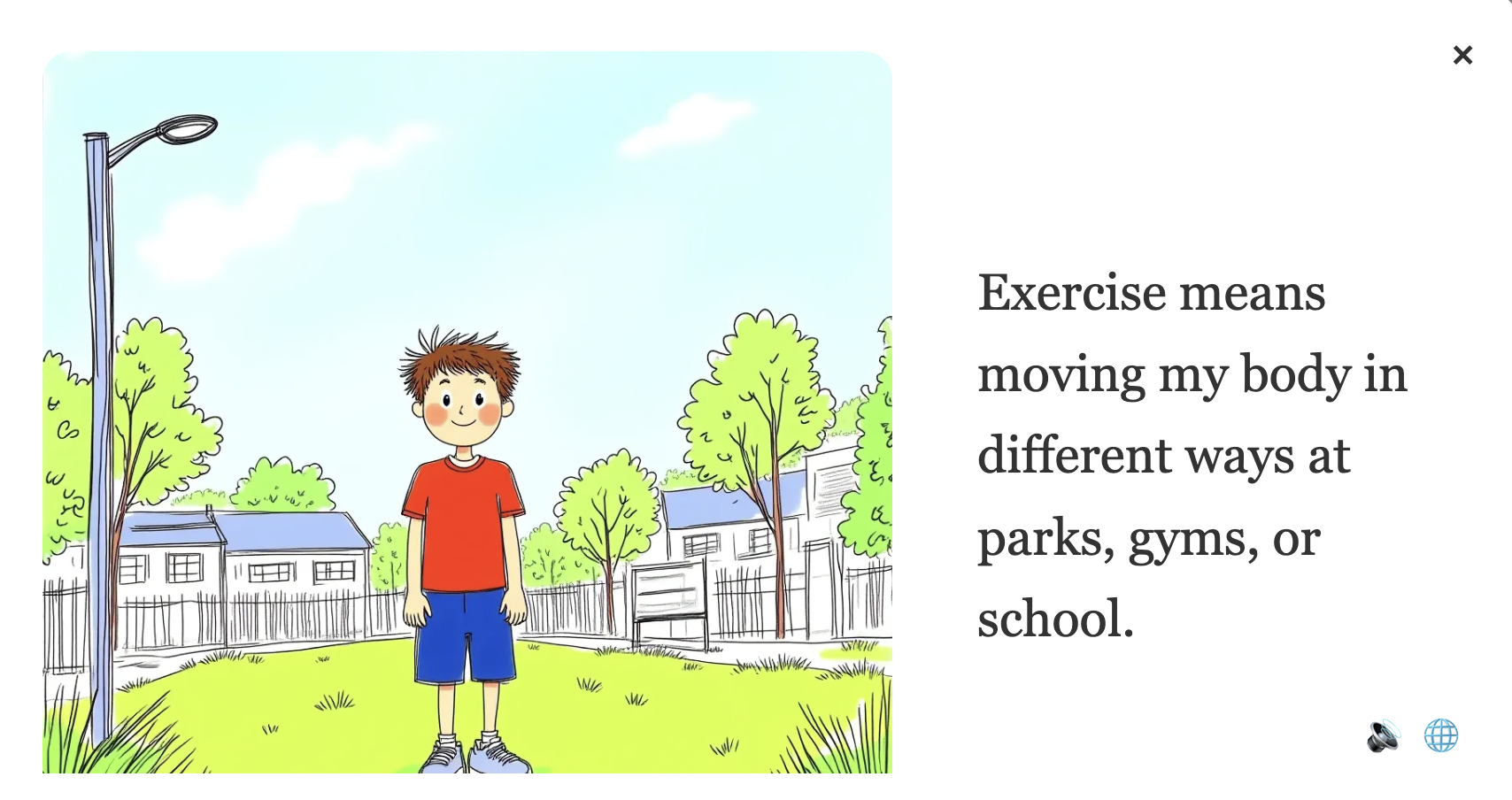
Exercises that traditionally work well are:
Running, walking, hiking. The most basic form of exercise that does not require much more than comfortable shoes. Come rain or shine, so long the storm is not severe, starting small can lead to meaningful long term habits. The best time for a walk is any time. Second best is after a meal– plenty of research has shown it helps boost metabolism. The walking and hiking part can be done in social groups or by oneself, if social anxiety is high. Running can also be done by oneself on an empty track at nearby school facilities or in running groups.
Swimming. If your child likes water, the repetitive, full-body movement can significantly reduce anxiety and improve motor coordination, while it does not strain the joints. Water aerobics, if music is loved, is another great option. It does not require submerging under water, so it can help if there is anxiety around it.
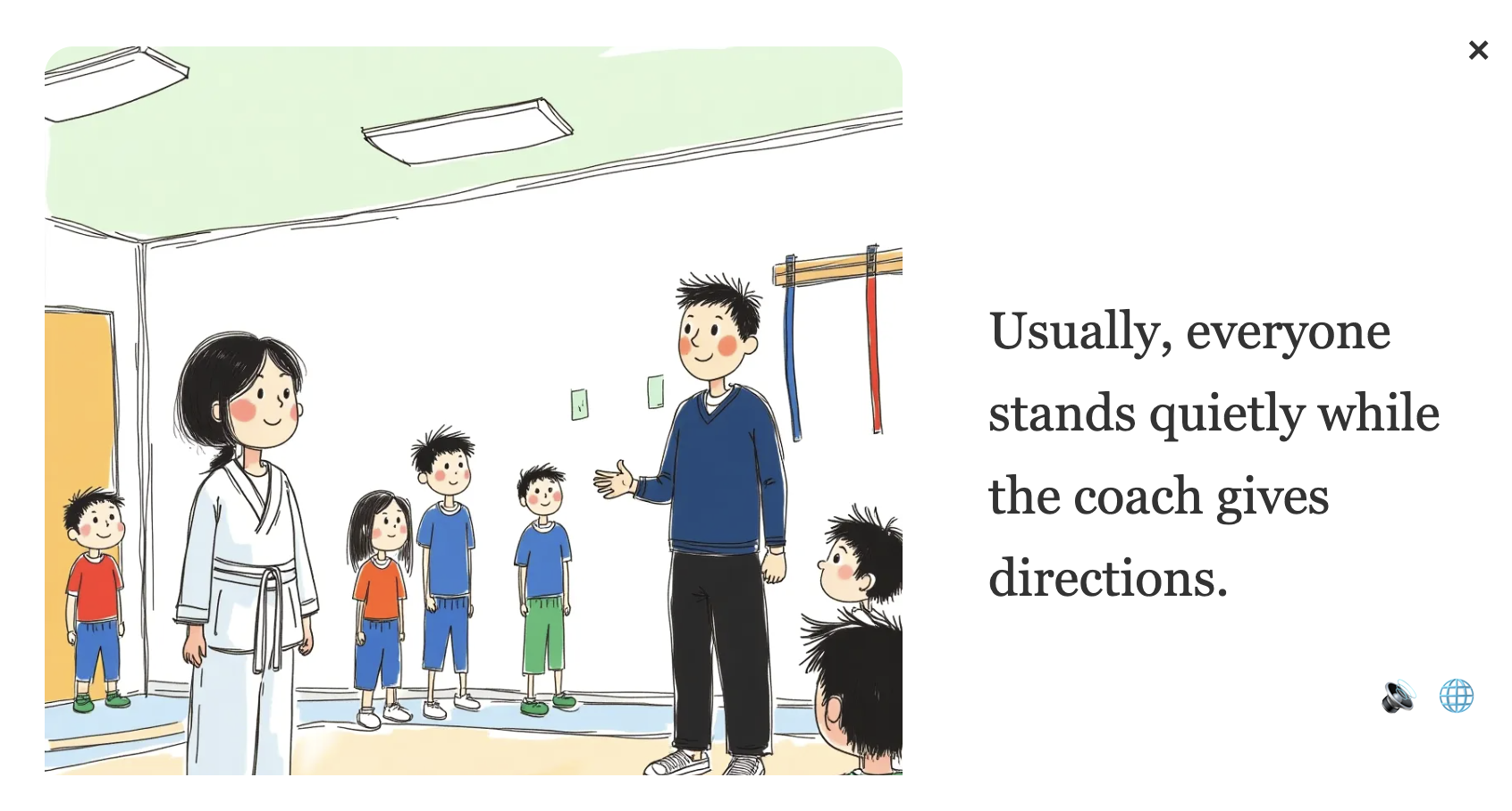
Martial arts. From Karate and Taekwondo to Judo and Jujitsu, martial arts introduce a lot of structure and predictability. Research has linked martial arts participation to improved self-control, reduced aggression, and increased confidence in children with ASD.
Yoga. When it comes to stretching the body and calming the mind, yoga by default helps anyone find calm in their day, while also working on muscles you
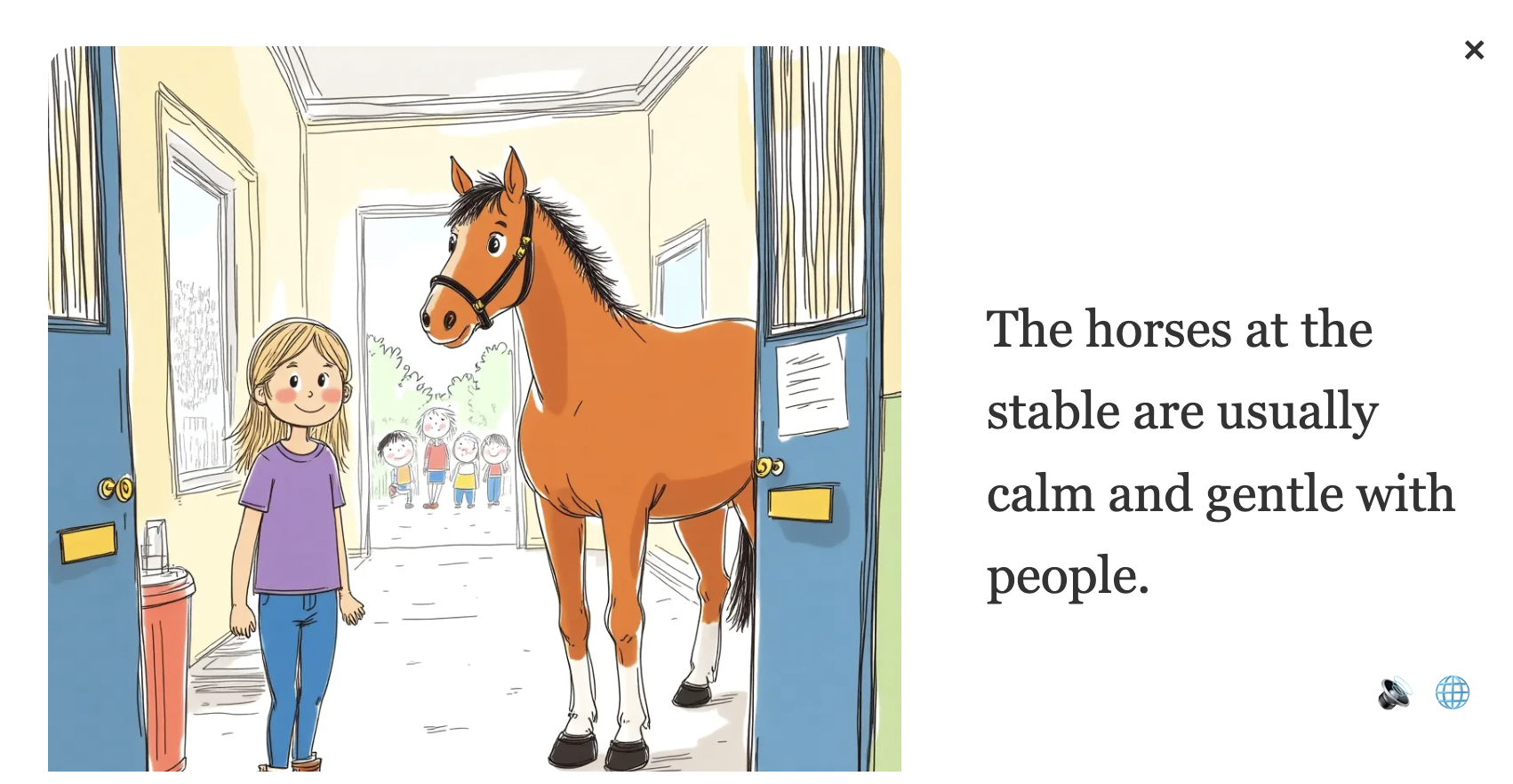
The list can go on and on, depending on abilities, preferences, and lets face it– family budget. Horseriding is a great option if you can find it nearby and afford it. Horses are very sensitive to body language and have healing abilities because of their powerful emotional and physical effects. From gentle petting to eventually learning to ride, there is a lot of goodness that can come out of horseback riding.
At the end of the day, choose what works best for you. Sports are not about turning your child into an athlete, but rather to get them moving. Exercise releases endorphins. Endorphins make you happy.
How Social Stories Can Support Exercise
One of the biggest barriers to starting sports isn’t physical but rather overcoming the anxiety that comes with it. Social stories can help overcome this by:
- Providing an overview of what will happen before, during, and after practice or games
- Explaining the rules, routines, and expectations. This is where social stories with visuals go a long way
- Preparing children for the possible sensory experiences– noise, apparel, feelings
- Giving coping strategies for frustration, losing, or transitions
Taking this a step further, using tools like Emona to create social stories with AI makes the stories more relatable and effective. They can also be created very quickly, regenerated based on newly emerged behaviors, modified as needed, and revisited when necessary. Emona also allows you to share the story with coaches and instructors to align on consistent language and expectations.
Quickly Create Social Stories with AI
Head over to emona.ai and give Emona a try. A short and descriptive prompt quickly turns into a social story that can explain or break down an exercise routine into manageable and familiar steps to reduce anxiety and increase the readiness to participate. If only there was such an easy solution to creating understanding and inclusion on and off the field.