
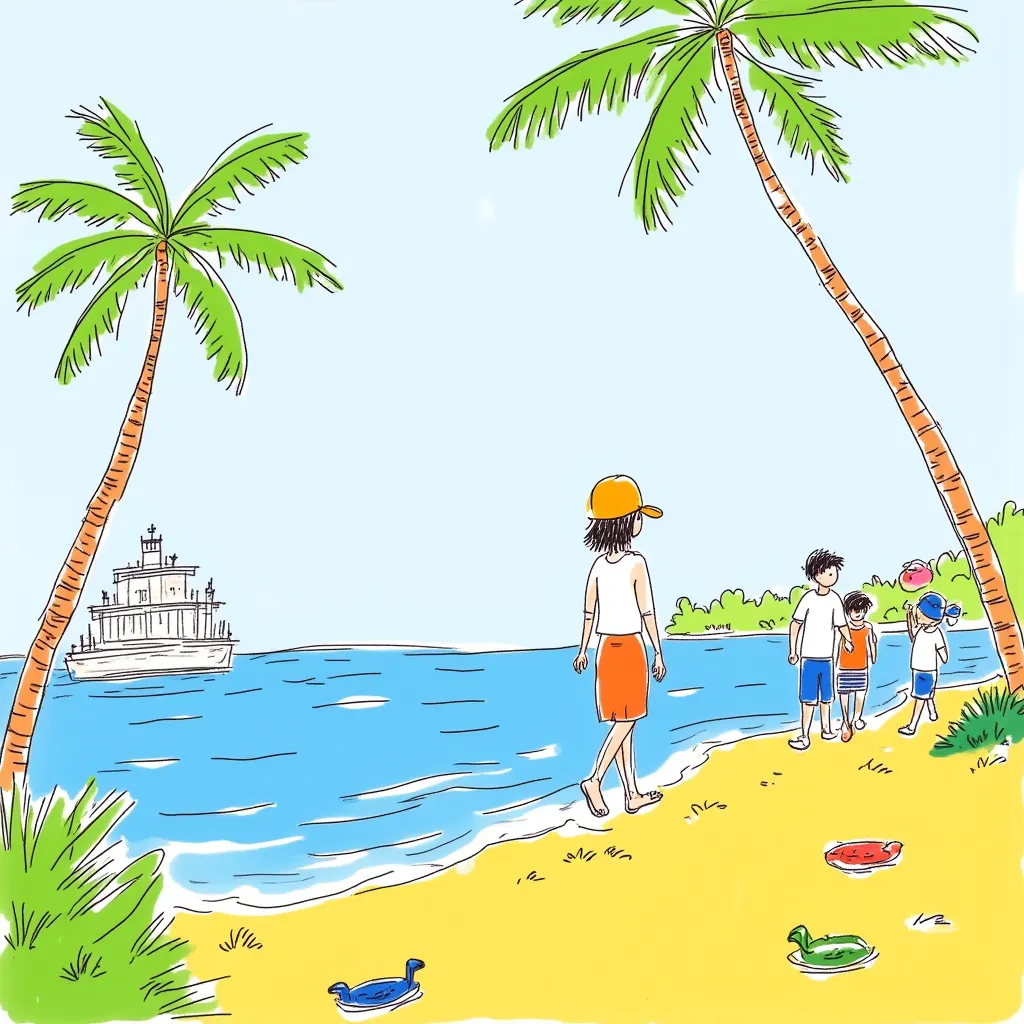
Summer is already here! Whether the bell rang a few weeks back or it’s just about to buzz, chances are we are excitedly looking forward to family vacations, road trips, airplane rides, visits with relatives, and new adventures. Well, most of use, because for families with children with autism or other neurodivergent needs, travel can bring a lot of anxiety, uncertainty, changes in routine, and sensory challenges. Social stories are a simple tool that can help children prepare for summer travel by giving them a clear understanding of what to expect before the journey begins.
Why Travel Can Be Challenging for Children
New places, unfamiliar people, crowded airports, long car rides, and unexpected schedule changes—all those can create anxiety, stress, and feel overwhelming. Travel often involves many situations that are outside our normal routines. We often need to
- Wake up earlier than usual
- Spend long periods in a car, train, or airplane
- Sleep in a new environment
- Meet unfamiliar people
- Visit crowded attractions
- Wait in lines
- Adapt to changes in plans
Even when we're excited about a trip, change and the unknown can leave us flooded with emotions. For neurodivergent individuals, those feelings can be amplified tenfold. Social stories help reduce that uncertainty by making the unfamiliar feel more predictable.
How Social Stories Help
Social stories have been used for decades to help children understand social situations, routines, and expectations. By breaking experiences into clear, manageable steps, they can reduce anxiety, support emotional regulation, and build confidence. Today, social stories are widely used in homes, classrooms, and therapeutic settings. Research suggests that they are most effective when they are personalized, relatable, and tailored to a child's unique needs and experiences.
Using Social Stories Before a Trip
One of the best times to introduce a social story is before travel begins. A social story can walk a child through the entire experience step-by-step. For example:
- Packing a suitcase
- Driving to the airport
- Going through security
- Waiting at the gate
- Boarding the airplane
- Finding a seat
- Arriving at the destination
When children understand what they might see, hear, and experience, they often feel more confident and prepared. The goal is not to eliminate every surprise. Instead, it is to build familiarity and reduce anxiety.
Creating Personalized Social Stories with AI
At Emona, our mission is to help professionals and families better support neurodivergent children’s needs. Recognizing the need for greater efficiency and accessibility, we harnessed advances in AI technology to make creating personalized social stories simple and effective, because we knew, from our experience, that creating social stories takes time.
Educators, therapists, and caregivers typically personalize stories to fit a child's unique needs and specific situations. Plenty of reserach has shown that hsocial storied do work, but only if they are reletable. From cutting to printing and glueing, proffesionals and families have become used to creating the social sotires they need.
While this works well for planned events, life doesn't always follow a script. Unexpected changes, new environments, and unforeseen challenges can happen at any moment. When they do, how can you quickly create a social story that helps a child understand what's happening and feel more confident navigating the situation?
Emona’s purpose-built AI helps generate individualized social stories tailored to children with autism, ADHD, and other neurodivergent needs—making the process faster, easier, and more accessible than ever before.
But social stories are just one part of the picture. We also understand that families and professionals often need support at the moment. That's why we introduced step-by-step schedules and visual guides to help children navigate daily activities, transitions, keep up with routines and new experiences with greater confidence.
Navigating Summer Travel with Social Stories
You now can use Emona.ai to create social stories for situations such as:
- Flying on an airplane: Security checkpoints, loud announcements, or takeoff and landing can be very triggering. A social story can explain each step in simple language and help children understand what to expect.
- Taking a road trip: Long car rides can be difficult for some children. Social stories can prepare them for rest stops, traffic, waiting, and planned activities during the drive
- Staying in a hotel: Sleeping in a different room can feel strange and uncomfortable. A social story can introduce the new hotel environment
- Visiting family members: For some families, visiting families may not be a frequent endeavor, therefore it may require quick updates on the relatives. Social stories can help children understand social expectations, greetings, sharing spaces, and family activities.
· Going to attractions: Crowds, noise, waiting in line—let’s face it, now one likes that. Social stories can prepare children for the unexpected sensory experiences and challenges and help them practice coping strategies. - Preparing for unexpected changes: Even the best-planned vacation can include surprises. Flights get delayed. Weather changes. Attractions close. Plans shift. Social stories can also teach flexibility.
These AI-powered social stories can help children build resilience and confidence during travel. When we know our children are prepared, we know we can take on the travel plans and make sure they become more enjoyable for everyone.
Parents spend less time managing anxiety and more time creating positive memories together. Children with autism gain confidence by successfully navigating new experiences and environments. The combination of preparation, visual support, and clear expectations can make a significant difference during summer travel.
Ready to prepare for your summer adventure?